More Than Trophies: How The Grammy Awards Evolved in Their 68th Year
Article by Ari Goldfarb, University Union Editorial Board
Assistant Editor
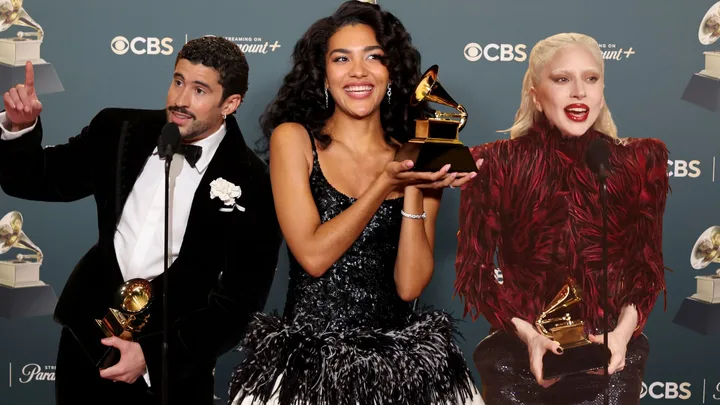
The 68th Annual Grammy Awards were less about playing it safe and more about momentum. Held at Los Angeles’ Crypto.com Arena in Downtown, this year’s ceremony felt decisive, like a show that finally understood the global, genre-blurring reality of modern music instead of clinging to old industry traditions.
The night truly belonged to artists who have long existed outside the old “mainstream” mold. Bad Bunny’s Album of the Year win marked a sincere turning point, not just because it was historic, but because it felt inevitable. The Recording Academy wasn’t experimenting with inclusivity. It was recognizing that Latin music isn’t just a crossover moment. It is the moment. The win felt less like a surprise and more like an overdue validation for the noble record.
Kendrick Lamar’s dominance reinforced another truth: longevity truly looks different now. His wins didn’t feel like nostalgia trophies or career achievement handouts. They felt current. Kendrick is still culturally central, and for once, the Grammys reflected that instead of lagging behind it. When the Academy lines up with real artistic relevance, the ceremony feels more credible.
Performance-wise, the show struck an interesting balance. The Grammys usually wobble between viral shows and actual musicality; this year leaned more toward artistry than mere gimmicks, but there was still the occasional display of fast-paced assortments. There were chaotic medleys, especially within the Best New Artist category, but there were also morefocused, emotionally grounded performances. The staging definitely felt intentional. Even the bigger pop productions, like Sabrina Carpenter, stayed for the most part cohesive instead of overwhelming.
Photo by Julio Cortez
That said, some of the usual issues still lingered. The pacing dragged at times. Major awards were spaced out and stretched in a way that sometimes flattened the tension instead of building it (not to mention Cher’s unironically funny and random bit when making a 3-minute speech about herself and then quoting Kendrick as “Luther Vandross” during the award acceptance). And while the Academy made clear strides in global and genre representation, a few categories still felt sidelined rather than fully celebrated.
What stood out most was the tone. The 2026 Grammys felt less defensive than in past years. After seasons of criticism over diversity and transparency, the Academy seemed more self-aware. Artists celebrated their wins without sounding like they were seeking approval from the industry machine as a whole. Instead, acceptance speeches felt personal, pointed, and increasingly political.
Politics was not a subtle undertone of the night. It was visible, literal, and pinned to lapels. “FUCK ICE” pins appeared across the audience, a quiet but unmistakable act of protest broadcast to millions. In another era, that kind of statement might have felt shocking on a stage historically obsessed with neutrality. This year, it felt expected. Music has always been political, whether through protest anthems, storytelling, or cultural resistance, but the Grammys are finally allowing that reality to exist in plain sight rather than tucked into metaphor.
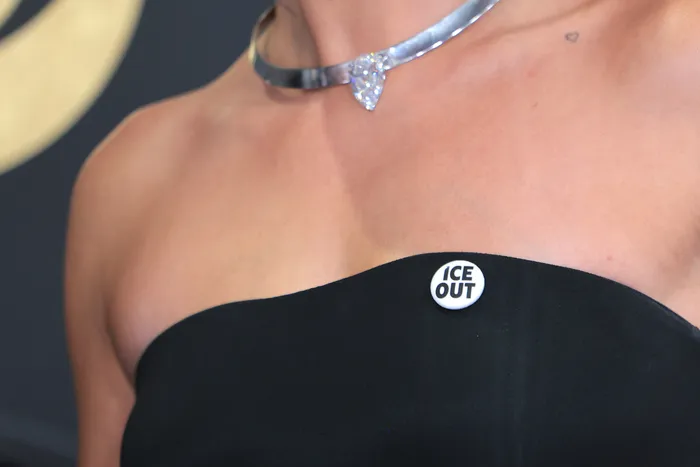
Photo by Getty Images
As live television audiences continue to shrink, the Grammys have become more significant as a platform for speech. The spectacle of the performance matters, but increasingly, people tune in or watch clips afterward to hear what artists stand for. The acceptance speech has evolved into its own cultural currency. In a fragmented media landscape, these few minutes on stage offer artists a rare, unified audience. The ceremony becomes less about industry validation and more about public declaration.
Culturally, the ceremony hinted at something bigger. The Grammys are no longer the ultimate authority on taste, and they know it. In a streaming era where fanbases are global and algorithm-driven via platforms like TikTok and Instagram, award shows can easily feel outdated. This year definitely allowed for the ability to reflect on how people actually listen to music and by acknowledging the political climate rather than pretending the old rules still apply. Music is never detached from immigration policy, racial justice, or global conflict. It carries those tensions within it and turns them into rhythm and voice. That’s why it is truly so important.
The 2026 Grammys felt like an institution slowly shedding its outdated skin, not through some dramatic service, but through steady acknowledgment of where music really and truly lives today. Politics onstage did not distract from the music, but showcased why music matters. Music has the power to bring people together, spread love, and create change. The Grammys are no longer just about honoring songs, but rather about amplifying the voices behind them and reminding us that even in division, music remains one of the few spaces where we gather, listen, and stand together.